Map contact and wear
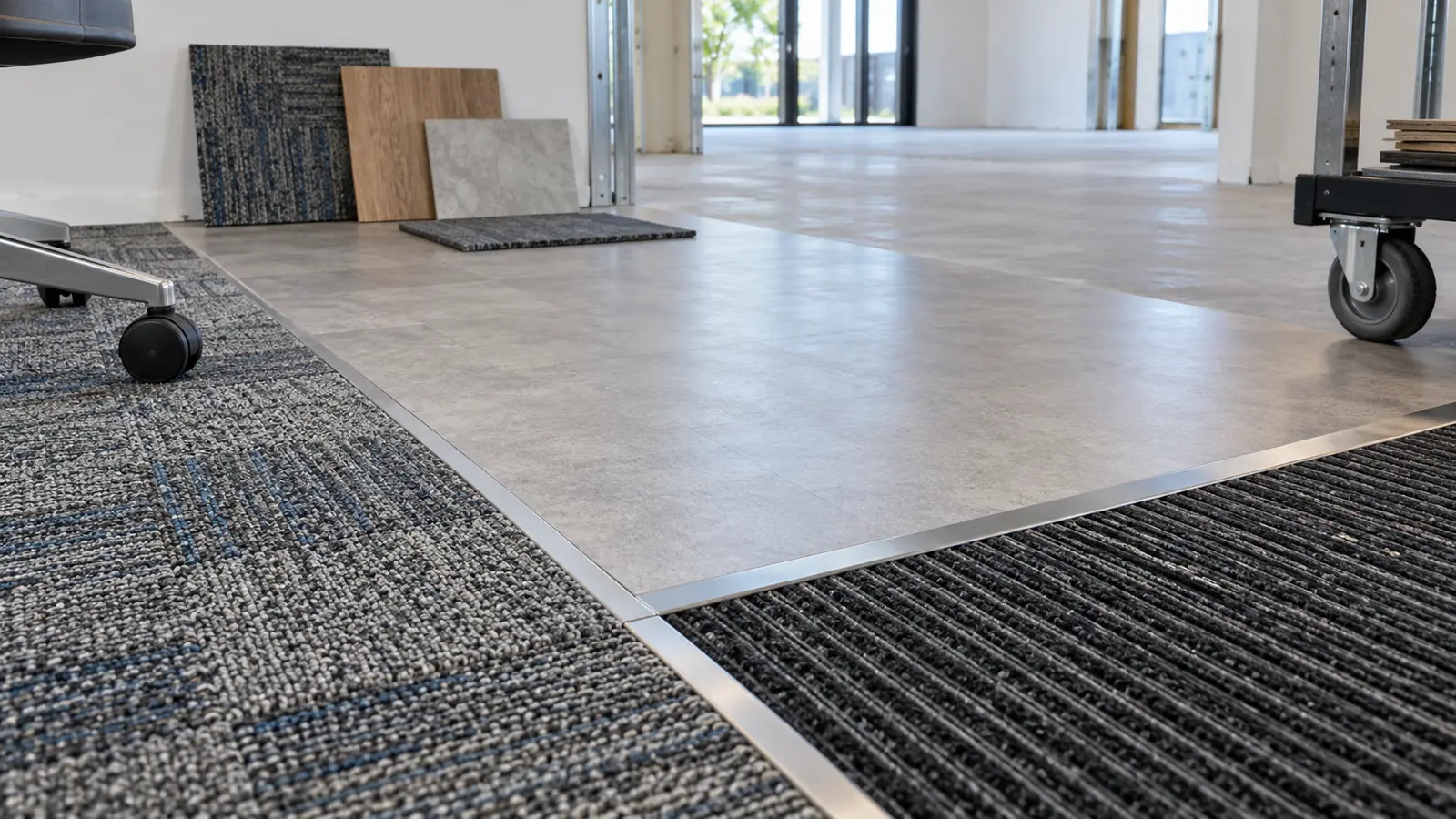
Identify high-contact surfaces, delivery routes, wet or cleaning areas and the places where furniture or equipment moves. The same finish may not suit every part of a business. Begin with the actual operation, then ask suppliers and the appointed designer to confirm the products appropriate to each location.
Review product evidence
The specification should identify exact products and the relevant performance information for the intended use. Any applicable authority, landlord or sector requirements need to be confirmed by the appointed professionals. A brand name or broad material category is not enough to establish that a particular product and installation meet the project requirements.
Think about replacement
Ask how an area can be repaired without unnecessarily disrupting the operation. Modular elements, spare stock and accessible junctions may be useful where appropriate. Record cleaning guidance and who is responsible for product support. The long-term practicalities belong in the selection process rather than arriving as a surprise at handover.
A planning scenario
Imagine a fictional retail unit choosing the same visual palette for a quiet display wall and a busy service counter. The designer reviews each location separately and selects details appropriate to the different contact and cleaning patterns. Visual consistency is maintained through the palette, with the specification responding to use.
A useful review checklist
Use these prompts to turn the discussion into a record that can be compared with drawings, supplier information and the project scope. Mark what is confirmed, who needs to respond and when the decision is required.
- Map exposure and contact by location
- Identify exact product references
- Confirm relevant evidence and requirements
- Review repair and replacement access
- Retain cleaning and supplier information
Map the surfaces that receive repeated contact
Observe the intended operating pattern: queues, deliveries, cleaning equipment, chairs, trolleys and frequently touched edges. Different areas face different use even within one premises. Discuss those conditions with the designer and suppliers before selecting a finish for its appearance alone. Ask for product information relevant to the actual application and any required performance evidence. A broad material name or the word commercial does not establish suitability for every location.
Compare assemblies rather than isolated products
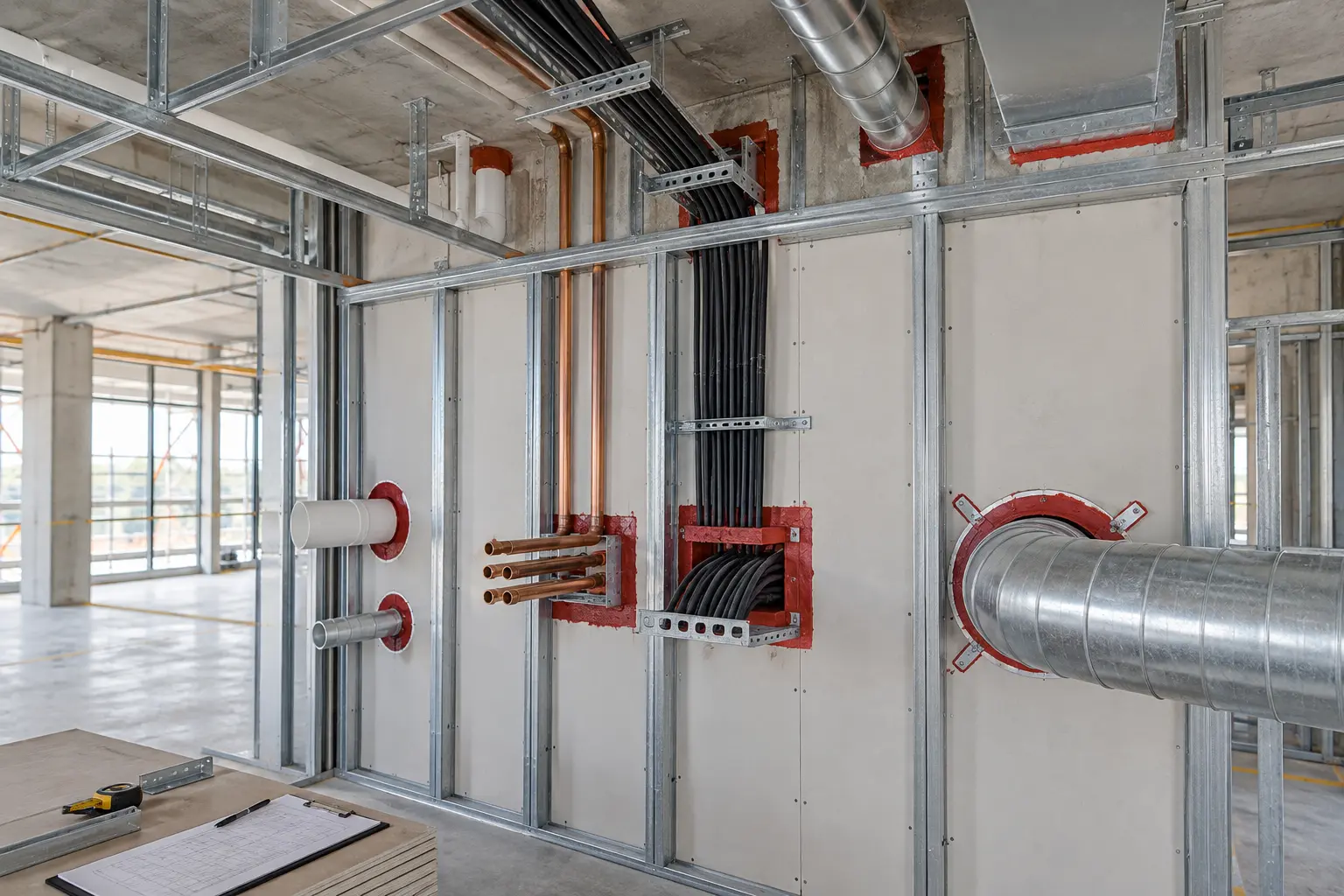
A surface depends on its supporting construction, joints, edges and installation method. Ask the responsible team to review the complete proposed arrangement, including maintenance access and interfaces with other packages. A product may be appropriate in one system and unsuitable in another. Keep appearance samples and technical information connected but distinct, so approval of a colour does not inadvertently become approval of an unreviewed assembly or an assumed performance claim.
Review repair during normal operations
Ask how a damaged area could be repaired or replaced and what interruption that would involve. Identify whether spare material, accessible fixings or a modular arrangement would be useful. Compare those practical considerations with the initial visual effect and price. A seamless appearance may be attractive, but the operator should understand its maintenance implications before committing. Record the agreed product references and replacement strategy where it is part of the scope.
Give cleaning teams the right information
At handover, provide care guidance for the installed finishes and explain any important differences between adjoining materials. Keep original manufacturer documents available behind any simplified operator note. If cleaning is outsourced, the operator should be able to share the relevant information without reconstructing the project. Avoid assuming one aggressive cleaning method is appropriate throughout the premises. Changes to products or finishes should trigger an update to the care record.
Carry the decision through to delivery
Keep the accepted decision with the current scope and drawings. If a product, layout or responsibility changes, record the effect on the other work before purchasing or proceeding. At completion, retain the relevant operating and care information with the project record. The next conversation is more useful when the unresolved questions are visible.
Sources & further reading
Make this useful for your project.
A review of your property and priorities can turn general guidance into a defined brief.
Explore Shell and core fit outDiscuss your project